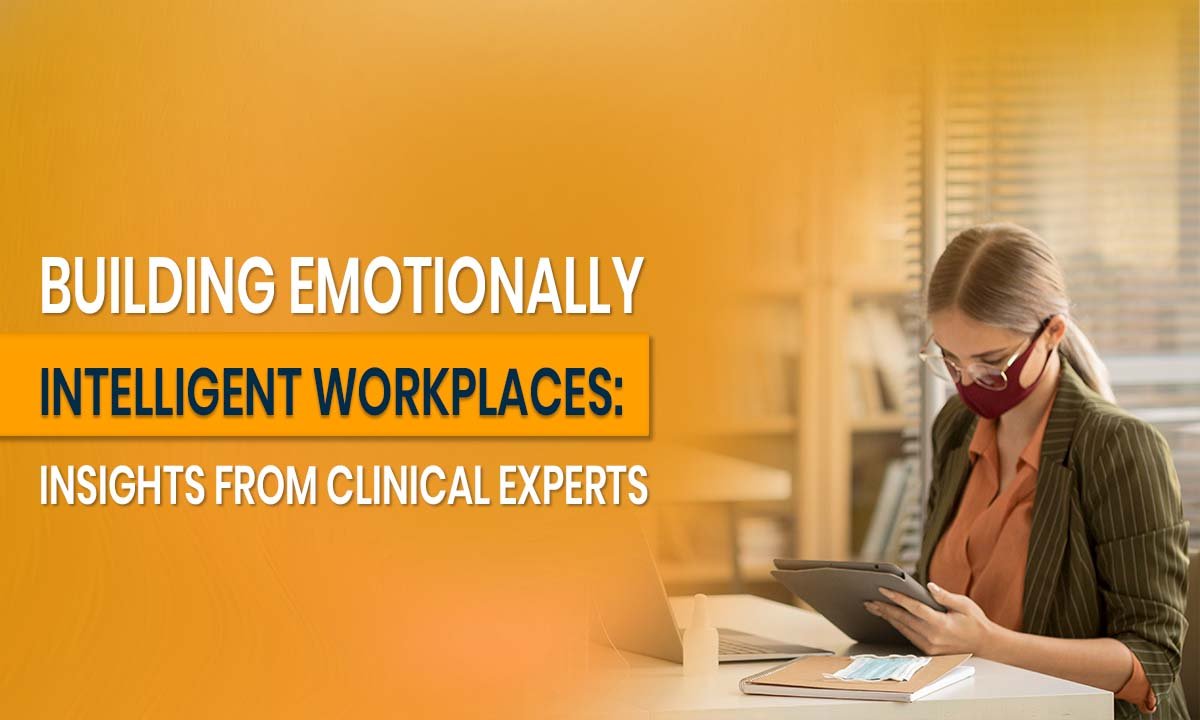
Emotions can influence how we connect and communicate with each other, our thinking process and decision-making skills, among many other aspects. A large part of a person’s daily life is spent at the workplace, and therefore, the role of emotions at the workplace cannot be neglected. This helps in identifying the need for emotionally intelligent workplaces. Emotionally intelligent can also be understood as an individual’s capacity to recognise, understand and manage different emotions.
What Are Emotionally Intelligent Workplaces
Some of the many features of emotionally intelligent workplaces can include:
1. Effective emotion management
2. Empathetic attitude towards one another
3. Safe place for expressing emotions
4. Emotionally intelligent leadership
5. Policies that support productivity without burnout
Why Mental Health in the Workplace Matters Today
In today’s time, people have started becoming more vocal about the challenges that they face in the workplace and how their mental health gets impacted because of the same. The employee mental wellness strategies encourage people to become more emotionally aware and express their concerns. With the increasing stress, burnout and anxiety at the workplace, the need for mental health strategies is becoming more important.
Clinical Insights on Emotional Intelligence at Work
Emotional intelligence can be described as a way to reduce and manage workplace stress. Some of the characteristics of emotional wellness at the workplace have been described below.
Emotional Awareness and Psychological Safety
Emotional awareness and psychological safety in the workplace can look like:
1. Recognising stress signals promptly
2. Verbalisation of concerns without fear
3. A sense of inclusivity and belongingness
4. Strong interpersonal relationships
5. Good conflict resolution skills at the workplace
Regulating Stress and Emotional Responses
1. Emotional intelligence helps in learning to respond thoughtfully instead of reacting immediately
2. Emotional awareness also helps in identifying healthy coping strategies and using those for stress management
3. Emotional intelligence can help in improving focus at the workplace
Role of Emotionally Intelligent Leadership in Workplace Culture
1. Emotionally intelligent leadership can make a safe space for the employees
2. The leaders also become role models for showcasing emotion regulation
3. A healthy work culture can be cultivated with the support of emotionally intelligent leadership
Common Signs of Low Emotional Intelligence in Workplaces
There can be a lot of signs that can indicate compromised mental health in the workplace or the inability to regulate emotions in the workplace. These can look like:
1. Increased conflicts
2. Extreme stress
3. Burnout and exhaustion
4. Insensitive leadership
It is essential to be mindful that the above-mentioned points can happen due to a lot of reasons, and one possible reason can be compromised mental health in the workplace.
Building Emotionally Intelligent Workplaces: Practical Strategies
A lot of strategies can be used to build emotionally intelligent workplaces. Each workplace may want to utilise different practices as per their specific needs and goals. Some of these strategies have been listed below:
1. Training programs that support mental wellness
2. Leaders ensure a healthy workplace culture is maintained
3. Policies emphasising the importance of work-life balance
4. Workshops to psycho-educate individuals about coping skills
5. Supportive leadership practices that improve employee productivity
Clinical Expert Insights: What Actually Works
There can be a lot of techniques and it is essential to find out which strategy your workplace needs the most and would benefit the most by! Evidence-based emotional intelligence training programs can be used to support employee wellness. Regular check-ins and trauma-informed workplace practices are also encouraged.
Measuring Emotional Intelligence and Workplace Wellbeing
There are a lot of psychological assessments and psychometric tests that can help assess emotional intelligence and mental health in the workplace. The assessment should be conducted by qualified professionals. These assessments can help in identifying the gaps, strengths and areas of improvement.
Challenges in Creating Emotionally Healthy Workplaces
Creating emotionally intelligent workplaces shall require effort, and in that process there can also be some challenges, such as:
1. Lack of involvement
2. Inadequate training
3. Difficulty opening up
4. The leader not encouraging mental wellness
5. Temporary fix rather than sustainable support
6. Lack of mental health awareness
The Future of Work Depends on Emotional Intelligence
The quality of work can deteriorate if one’s mental health is suffering. Similarly, if the workplace is becoming a cause of extreme distress, then emotional intelligence and mental wellness strategies become very important. Actions taken timely manner to support mental health can bring positive outcomes for the entire organisation!
Final Thoughts
If you or anyone you know is experiencing burnout, stress or is becoming dependent on substances for coping with workplace stress, then reaching out to Athena Luxus can be helpful! You deserve to feel healthy, and we aim to be the best mental health partner for you. Our team helps in creating an individualised treatment plan that supports your wellness journey and helps you reach your personal and professional goals.
You can learn more about our organisation by calling us at +91- 9718921212 and our team can help you with diverse mental health needs.