
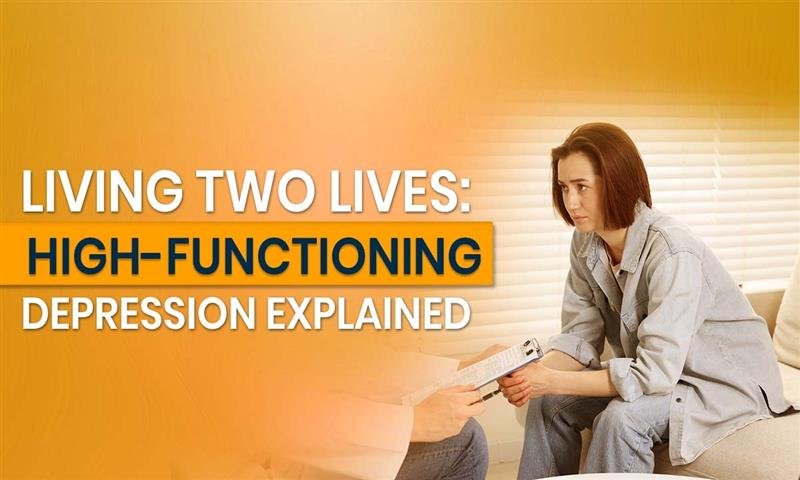
High Functioning Depression refers to a clinical presentation in which individuals meet occupational, academic, and social expectations while experiencing persistent depressive symptoms. Although not a distinct DSM-5-TR diagnosis, it commonly overlaps with Persistent Depressive Disorder (PDD) and, in some cases, mild-to-moderate Major Depressive Disorder (MDD).
The defining characteristic is the preservation of function despite significant psychological distress. Patients often maintain productivity and interpersonal roles, which delays identification and intervention.
Clinical Conceptualization
From a diagnostic standpoint, individuals with High Functioning Depression may meet criteria under:
- Persistent Depressive Disorder (dysthymia)
- Recurrent Major Depressive Episodes with partial remission
- Double depression (PDD with superimposed MDD episodes)
Core depression symptoms include:
- Depressed mood (subjective or observable)
- Anhedonia
- Psychomotor changes
- Fatigue or low energy
- Sleep disturbances
- Impaired concentration
- Feelings of worthlessness or excessive guilt
In high-functioning individuals, symptom severity may be moderate but chronic, typically persisting for -2 years in dysthymic presentations.
Neurobiological Correlates
Depression is linked with dysregulation of:
- Serotonergic, dopaminergic and nor adrenergic systems.
- Hypothalamic-pituitary-adrenal (HPA) hyperplasia.
- Structural impairments in the prefrontal and limbic system.
- Smaller hippocampus in chronic cases.
In high-functioning populations, the executive's functioning can be preserved, suggesting that it is compensated for by adaptive cognitive mechanisms in the presence of affective dysregulation.
Psychological and Behavioral Profile.
Takes place in people with High Functioning Depression:
- Perfectionistic Cognitions - Negative thinking patterns in which a person feels valuable only if they achieve or remain productive.
- Excessive Remuneration based on performance. - Work more to alleviate internal distress.
- Emotional Suppression - The decrease in affective expression, inability to reach vulnerability.
- Cognitive Distortions - Categorical negative automatic thinking, catastrophizing or self-criticism.
- Interpersonal Detachment - Loneliness without loneliness- I am sociable.
Signs of Hidden Depression in High-Performing Adults
The signs of Hidden Depression with clinical manifestations may comprise:
- Unfair exhaustion as compared to the workload.
- Loss of intrinsic motivation.
- Expressed as reduced pleasure response (blunted affect)
- Low-level suicidal ideation without actual impairments.
- Instead of actual sadness, irritability.
- Greater dependence on alcohol, stimulants, or computer distraction.
Since the occupational functioning is not impaired, family members and colleagues might fail to identify the pathology.
Differential Diagnosis
High Functioning Depression must be differentiated from:
- Adjustment Disorder
- Generalized Anxiety Disorder
- Burnout syndrome
- Bipolar II Disorder (rule out hypomania)
- Personality disorders with depressive traits
A comprehensive psychiatric assessment is required to establish diagnostic clarity.
Functional Consequences
Despite external performance stability, untreated depression symptoms can result in:
- Emotional exhaustion and eventual occupational burnout
- Executive dysfunction under stress
- Psychosomatic complaints
- Increased cardiovascular risk
- Escalation into Major Depressive Episodes
- Substance misuse disorders
Longitudinal studies show that chronic low-grade depression is are great risk factor for decompensation of acute psychiatry.
Evidence-Based Treatment Approaches
Management is multimodal and may include:
1. Psychotherapy
- Cognitive Behavioral Therapy (CBT)
- Schema Therapy
- Interpersonal Therapy (IPT)
- Psychodynamic Therapy
2. Pharmacotherapy
- SSRIs
- SNRIs
- Atypical antidepressants
Medication selection depends on symptom profile, comorbidities, and tolerance to side effects.
3. Lifestyle Interventions
- Structured sleep hygiene
- Exercise with neurotrophic benefit
- Stress reduction protocols
- Nutritional stabilization
4. Executive-Focused Interventions
For high-performing individuals, therapy may integrate performance psychology, identity restructuring, and leadership resilience training.
Prognosis
With early intervention, prognosis is favorable. Chronicity is reduced when treatment targets both symptom reduction and maladaptive performance-based identity structures.
Delays in treatment correlate with greater relapse rates and functional deterioration.
Clinical Support at Athena Luxus
Athena Luxus provides structured, evidence-based mental health care for high-functioning individuals experiencing depressive disorders. Services include:
- Extensive psychiatric assessment.
- Differential diagnostic testing.
- Individualized psychotherapy
- Pharmacological treatment (where necessary)
- Programs of confidential executives.
In case you have persistent practices of depression, even when you are performing well externally, then early clinical intervention is highly advised. Contact Athena Luxus at +91 9718921212, a premier luxury rehab center in Delhi, for a confidential consultation and assessment.