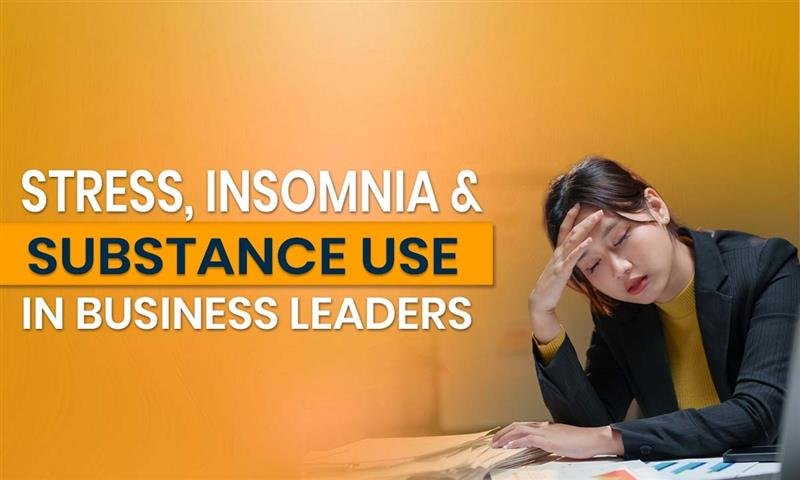

In boardrooms across the world, power and pressure sit side by side. Success at the highest levels often comes with relentless expectations, constant scrutiny, and the belief that leaders must always appear strong. Yet behind polished presentations and confident decisions, a silent crisis is growing. Many top executives avoid mental health support until stress turns into burnout, anxiety disorders, depression, or substance dependence.
The reality is simple but uncomfortable: high-performing leaders often avoid mental health conversations not because they don’t need help, but because they believe they cannot afford to need it.
The Pressure to Always Appear in Control
Leadership culture rewards certainty. Executives are supposed to make big decisions every single day- decisions that touch on employees, shareholders, clients and families. It may be difficult to admit to being tired of emotions or mentally overloaded.
Such a belief system forms a harmful mentality:
- I am supposed to be capable of this.
- When I cut it down, it all falls apart.
- Requesting assistance will be considered weak.
This internal pressure eventually develops into chronic stress. Unresolved stress never fades away, but it develops into irritability, sleeplessness, lack of emotion, or unhealthy behaviors of coping.
Stigma at the Top
While mental health awareness has improved globally, corporate leadership still carries an unspoken stigma. Executives worry about: Executives worry about:
- Reputation damage
- Board-level judgment
- Investor confidence
- Confidentiality breaches
- Career consequences
Vulnerability at the top is usually misinterpreted, even in progressive industries. This has led many leaders to suffer without seeking intervention at an early stage.
The High Cost of Avoidance
When top executives avoid mental health care, the consequences extend beyond personal well-being.
- Impaired Decision-Making
Stress, in the long run, impairs intellectual sharpness. Emotionally stressed leaders might lack the capacity to evaluate risks, plan for the long term, and manage conflict.
- Burnout and Emotional Withdrawal.
Burnout in executives does not necessarily appear dramatic. It may manifest itself through disengagement, lack of creativity, and motivation.
- Substance Reliance
Alcohol or prescription medication can turn out to be a coping mechanism in high-pressure situations. What starts as stress therapy may turn into addiction.
- Impact on Company Culture
The way leadership is conducted will set the tone of the organization. By keeping mental health challenges hush-hush, executives perpetuate the culture of employees not seeking help either.
Why High Performers Struggle to Ask for Help
Paradoxically, the very characteristics that revolve around one making a person successful can turn against them:
- Perfectionism
- High accountability
- Competitive drive
- Relentless ambition
- Self-reliance
These traits are the sources of success; however, they lead to isolation. Leaders have people around them, but they are emotionally isolated. They bear burdens that few people can comprehend.
The Breaking Point: “Too Late”
Many executives usually turn to assistance only in cases when there is a crisis:
- A public breakdown
- A bad transaction because of poor judgment.
- Relationship collapse
- Health complications
- Legal or substance-related.
At this point, the process of recovery becomes more complicated- yet achievable. Much of the damage would have been avoided, however, through early intervention.
Mental Health: a Leadership Asset.
Mental health should not be a weakness in leadership, as it was once perceived, but rather a strength that makes leaders stronger.
Leaders who seek support tend to experience:
- Enhanced emotional control.
- Clearer strategic thinking
- Better communication
- Increased resilience
- Stronger team trust
Mental health treatment improves executive performance by fostering clarity and balance.
The Role of Confidential Executive Treatment
One of the biggest reasons top executives avoid mental health programs is fear of exposure. This is where specialized executive care becomes essential.
Leaders are specifically designed to attend premium mental health and addiction treatment programs. They offer:
- Complete confidentiality
- Private accommodations
- Flexible schedules
- Subtle admission procedures.
- Personalized therapy plans
Executives can receive intensive, evidence-based care without compromising privacy or professional standing.
Recognizing Early Warning Signs
When you or one of your leaders exhibits the following patterns, you may need to request assistance:
- Persistent insomnia
- Increased irritability
- Decreased interest in work accomplishment.
- Emotional numbness
- Increasing alcohol intake.
- Always tired even after rest.
- Fear of making ordinary decisions.
- Cessation of family and intimate relationships.
This is no indication of weakness. They are the messages of the mind and body to pay attention to.
Changing the Narrative
There is a gradual change in the business world. Increasing numbers of leaders are talking publicly on the topics of therapy, recovery post-burnout, and mental health. This change is formidable, but change starts in the individual.
This does not mean giving up by selecting to seek help. It is tactical self-management. Making a wise leadership choice, just as executives spend their money on financial advisors, legal consultants, and business strategists, they should invest in mental health support.
Strength Redefined
Leadership and pain suppression do not go together; leadership is about maintaining performance in the long run. The best executives know that resilience should be maintained.
Mental health care is not a final option. It is a preventive strategy. It safeguards decision-making power, maintains relationships, and ensures long-term success.
When leaders avoid mental health support, they risk more than personal distress; they risk clarity, stability, and legacy.
Confidential Executive Mental Health Support
Athena Luxus, we know what it is like to be a high-level professional. Our executive-based mental health and addiction treatment programs offer confidential, safe, and customized care to those leaders who treasure discretion and the highest standards.
You do not need to reach a breaking point to get support. Preserve your sharpness, performance, and health.
Athena Luxus is a professional executive mental health care provider who provides confidential contact services.