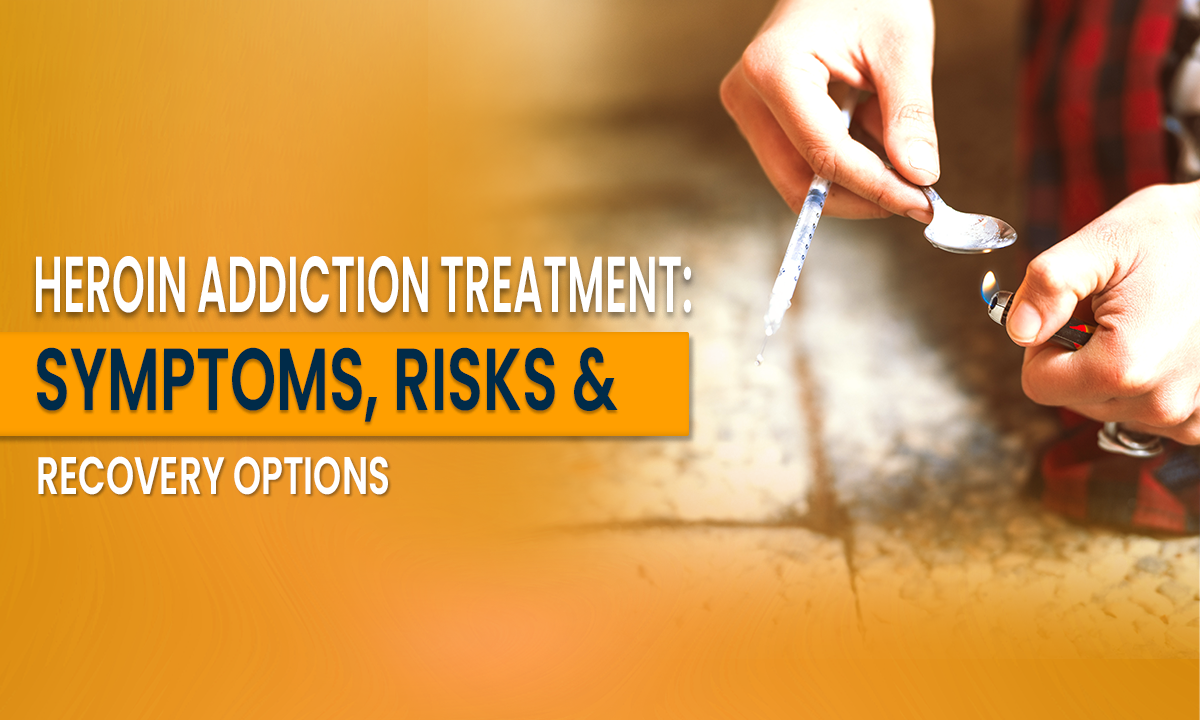
Heroin addiction is a serious and life-threatening condition that affects both the brain and body. As a powerful opioid, heroin quickly creates physical and psychological dependence, making it extremely difficult to quit without professional help. Across India—and particularly in urban regions like Delhi NCR—the need for structured, medically supervised heroin addiction treatment has grown significantly.
This guide explains heroin addiction and treatment, outlines the risks involved, and explores evidence-based treatment options for heroin addiction, helping individuals and families make informed decisions about recovery.
What Is Heroin Addiction?
Heroin addiction is a chronic substance use disorder caused by repeated heroin consumption. Heroin alters the brain’s reward system by flooding it with dopamine, creating intense pleasure followed by severe cravings. Over time, the brain becomes dependent on heroin to function normally.
Unlike casual drug use, heroin addiction involves:
- Loss of control over use
- Strong cravings despite harmful consequences
- Physical withdrawal symptoms when use stops
This is why heroin addiction is recognized as a medical and psychological disorder, not a moral failing.
Common Symptoms of Heroin Addiction
Recognizing early signs of addiction can help prevent severe health consequences.
Physical Symptoms
- Extreme drowsiness or “nodding off”
- Constricted pupils
- Slowed breathing and heart rate
- Sudden weight loss
- Needle marks or skin infections
- Withdrawal symptoms such as sweating, nausea, body aches, and tremors
Psychological and Behavioral Symptoms
- Intense cravings for heroin
- Anxiety, irritability, or depression
- Poor decision-making and impulsive behavior
- Social withdrawal and isolation
- Neglect of responsibilities at work or home
If these symptoms are present, professional addiction treatment is strongly recommended.
Health Risks and Long-Term Effects of Heroin Addiction
Heroin addiction carries severe short- and long-term risks, especially without treatment.
Physical Health Risks
- Overdose due to respiratory failure
- Increased risk of HIV, hepatitis B and C
- Heart infections and lung damage
- Severe gastrointestinal and liver issues
Mental and Emotional Impact
- Depression and anxiety disorders
- Cognitive impairment
- Increased risk of self-harm or suicidal thoughts
Social and Legal Consequences
- Strained family relationships
- Job loss or academic failure
- Legal trouble and financial instability
These risks highlight why early intervention and structured heroin addiction and treatment programs are essential.
Why Professional Heroin Addiction Treatment Is Necessary
Many individuals attempt to quit heroin on their own but relapse quickly due to intense withdrawal symptoms and cravings. Sudden cessation without medical care can be dangerous and emotionally overwhelming.
Professional heroin addiction treatment provides:
- Medical supervision during withdrawal
- Structured therapy to address psychological dependence
- A safe, controlled environment free from triggers
- Long-term relapse prevention strategies
Addiction is complex, and recovery requires more than willpower—it requires expert care.
Treatment Options for Heroin Addiction
Effective recovery involves a combination of medical, psychological, and supportive therapies. Below are the main treatment options for heroin addiction, often used together for best results.
Medical Detox for Heroin Addiction
Detox is the first step in treatment. It helps the body safely eliminate heroin while managing withdrawal symptoms under medical supervision.
Benefits of medical detox include:
- Reduced withdrawal severity
- Lower risk of complications
- Continuous health monitoring
Detox alone is not enough, but it prepares the individual for ongoing treatment.
Medication-Assisted Treatment (MAT)
Medication-assisted treatment uses approved medications to:
- Reduce cravings
- Stabilize brain chemistry
- Lower relapse risk
MAT is widely recognized as one of the most effective components of heroin addiction treatment when combined with therapy.
Therapy and Psychological Treatment
Therapy addresses the root causes of addiction and helps individuals build coping skills.
Common approaches include:
- Individual counseling
- Cognitive Behavioral Therapy (CBT)
- Group therapy and peer support
- Family counseling
These therapies help individuals understand triggers, manage stress, and rebuild healthy behaviors.
Holistic and Supportive Therapies
Many modern treatment programs integrate holistic care, such as:
- Yoga and mindfulness practices
- Nutritional support
- Stress management techniques
Holistic care supports overall mental and emotional well-being during recovery.
What Happens During Heroin Addiction Treatment?
Treatment begins with a comprehensive assessment, followed by a personalized care plan.
Key stages include:
- Medical and psychological evaluation
- Detoxification (if required)
- Structured therapy and rehabilitation
- Ongoing monitoring and aftercare planning
Programs may be inpatient (residential) or outpatient, depending on the severity of addiction and individual needs.
Heroin Addiction and Co-Occurring Mental Health Disorders
Many individuals with heroin addiction also experience mental health conditions such as:
- Depression
- Anxiety disorders
- Trauma or PTSD
This is known as dual diagnosis. Treating addiction without addressing mental health often leads to relapse. Integrated care ensures both conditions are treated simultaneously for better outcomes.
Choosing the Right Heroin Addiction Treatment Program
If you are searching for heroin addiction treatment near me or in Delhi NCR, consider the following factors:
- Availability of medical professionals
- Evidence-based treatment approaches
- Experience with dual diagnosis cases
- Privacy, safety, and confidentiality
- Aftercare and relapse prevention support
Choosing the right program significantly improves the chances of long-term recovery.
Heroin Addiction Treatment at Athena Luxus, Delhi NCR
Athena Luxus is a premium mental health and addiction treatment center in Delhi NCR, offering comprehensive and confidential heroin addiction treatment tailored to individual needs.
Why Athena Luxus?
- Experienced psychiatrists, psychologists, and medical staff
- Medically supervised detox and recovery programs
- Personalized treatment plans
- Private, luxury, and supportive healing environment
- Integrated care for addiction and mental health conditions
- Strong focus on dignity, safety, and long-term recovery
Athena Luxus combines clinical excellence with compassionate care, ensuring individuals feel supported throughout their recovery journey.
Life After Treatment: Recovery and Relapse Prevention
Recovery does not end when treatment concludes. Long-term success depends on:
- Continued therapy or counseling
- Support groups and follow-up care
- Healthy lifestyle changes
- Strong family and social support
A structured aftercare plan helps individuals maintain sobriety and rebuild their lives.
When to Seek Help for Heroin Addiction
If heroin use is affecting health, relationships, or daily functioning, early treatment can prevent life-threatening consequences. Families and caregivers should seek professional guidance if warning signs appear.
Reaching out for help is the first and most powerful step toward recovery.
Conclusion: Recovery From Heroin Addiction Is Possible
Heroin addiction is a serious but treatable condition. With the right heroin addiction treatment, individuals can regain control of their lives and achieve lasting recovery.
If you are looking for trusted, confidential, and medically supervised heroin addiction treatment in Delhi NCR, Athena Luxus is here to help.
📞 Call us at 9718921212
📧 Email: customercare@athenabhs.com
Your recovery journey can begin today—with the right care and support.