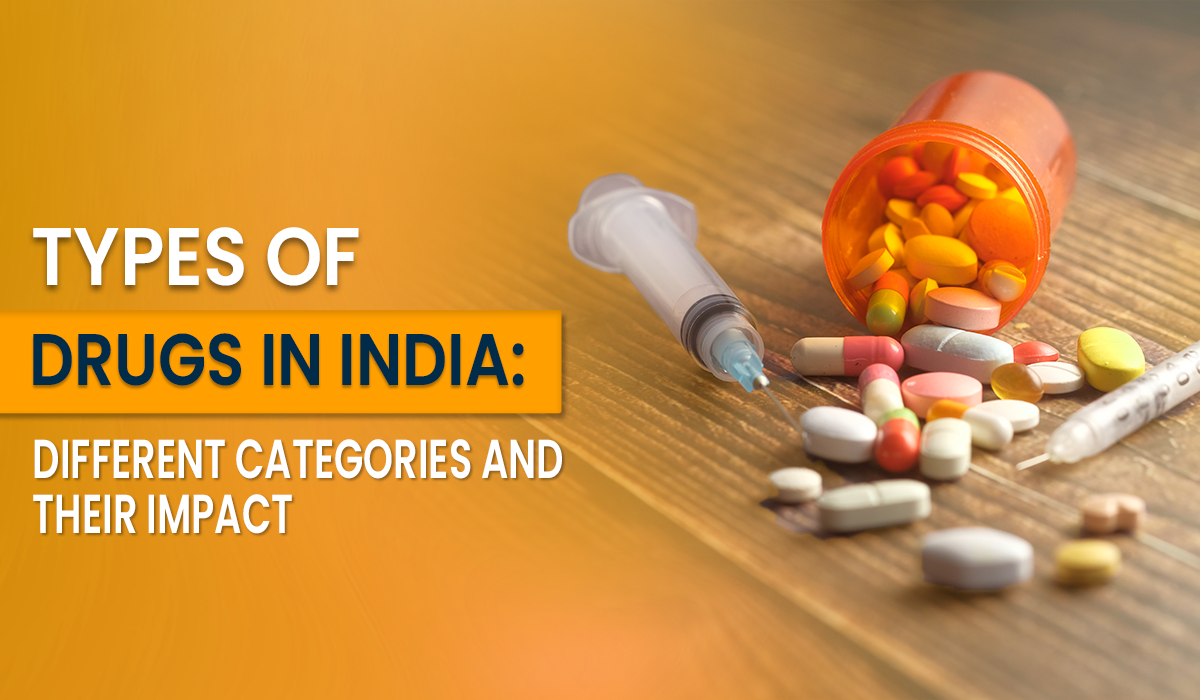
Drug use in India has evolved rapidly over the last two decades. From traditional substances to synthetic recreational drugs, the range of drugs used in India today is wider than ever. Understanding the types of drugs in India, their effects, and their social impact is essential for awareness, prevention, and timely treatment.
This article explains different drugs, how they are classified, which are the most commonly used drugs in India, and how drug abuse affects health and society.
What Are Drugs? A Brief Overview
Drugs are substances that alter how the body or brain functions. Some drugs have medical value and are legally prescribed, while others are used for recreation or escape and can lead to dependence and addiction.
In the Indian context, drugs broadly include:
- Legal drugs in India (used under medical or regulated purposes)
- Illegal and recreational drugs, often linked to abuse and health risks
The question is not just how many drugs in India exist, but how they impact individuals and communities.
Classification of Drugs: Understanding the Types of Drugs in India
1. Classification Based on Origin
Natural Drugs
Derived from plants or natural sources.
- Cannabis (bhang, ganja, charas)
- Opium
- Tobacco
These are among the most common drugs in India, especially in rural and semi-urban areas.
Semi-Synthetic Drugs
Produced by modifying natural substances.
- Heroin (from opium)
- Morphine
- Codeine-based syrups
Heroin remains one of the top 10 drugs in India associated with severe addiction.
Synthetic Drugs
Fully man-made chemicals.
- Mephedrone (MD)
- Yaba tablets
- Methamphetamine
- Ecstasy (MDMA)
Synthetic substances dominate urban drug abuse trends.
2. Classification Based on Effects
Understanding types of drugs and their effects helps identify risks early.
Stimulants
Increase alertness and energy.
- Cocaine
- Methamphetamine
- Mephedrone
Mephedrone drug (often called “MD”) is widely used in Indian cities.
Mephedrone uses are purely recreational and carry high addiction risk.
Depressants
Slow down brain activity.
- Alcohol
- Benzodiazepines
- Opioids
Alcohol remains the most used drug in India.
Hallucinogens
Alter perception and mood.
- LSD
- Magic mushrooms
- High-dose cannabis
Opioids
Cause pain relief and intense euphoria.
- Heroin
- Opium
- Prescription painkillers
The Most Commonly Abused Drugs in India
Some famous drugs in India due to high misuse rates include:
- Alcohol
- Cannabis (ganja, charas)
- Heroin
- Pharmaceutical opioids
- Mephedrone (MD)
- Yaba tablets
Searches like “yaba tablet price in India” indicate rising curiosity and misuse, especially among youth.
These substances rank among the most commonly used drugs in India, cutting across economic and social backgrounds.
Regional Trends of Drug Use in India
Drug patterns vary across regions:
- Punjab & North India: Heroin and pharmaceutical opioids
- Delhi NCR & Mumbai: Mephedrone, cocaine, party drugs
- Northeast India: Injectables and synthetic drugs
- Coastal & tourist regions: Cannabis and recreational drugs
These trends explain why “drugs in India” is not a single issue but a regional challenge.
The Health and Societal Impact of Drug Abuse in India
Drug abuse affects far more than just physical health.
Health Effects
- Liver and kidney damage
- Mental health disorders
- Memory loss and paranoia
- Overdose and death
Understanding types of drugs and their effects helps families recognize early warning signs.
Societal Impact
- Family breakdown
- Crime and legal issues
- Job loss and financial instability
- Burden on healthcare systems
Drug addiction is now one of the most serious public health issues in India.
Legal vs Illegal Drugs in India
Legal Drugs in India
- Alcohol (regulated by state laws)
- Tobacco
- Prescription medications (when used correctly)
Illegal & Recreational Drugs
- Heroin
- Cocaine
- Mephedrone
- Yaba tablets
- MDMA
Understanding types of drugs legal and illegal Drugs is critical, as misuse of even legal drugs can lead to addiction.
Preventing and Addressing Drug Abuse in India
Effective prevention includes:
- Education at school and college level
- Family awareness and early intervention
- Mental health screening
- Access to professional addiction treatment
Medical detox, psychotherapy, and rehabilitation are proven ways to break addiction cycles.
Conclusion
The growing variety of types of drugs in India reflects changing lifestyles, stress patterns, and accessibility. From alcohol and cannabis to synthetic drugs like mephedrone and yaba tablets, drug use carries serious health and social consequences.
Awareness, early action, and professional treatment can save lives. Addiction is not a moral failure—it is a medical condition that needs structured care and support.
Need Help or Professional Support?
If you or someone you love is struggling with drug use, expert help matters.
👉 Athena Luxus offers confidential, medically supervised addiction treatment with personalized care plans in a safe, supportive environment.
📞 Reach out today to speak with a specialist and take the first step toward recovery.