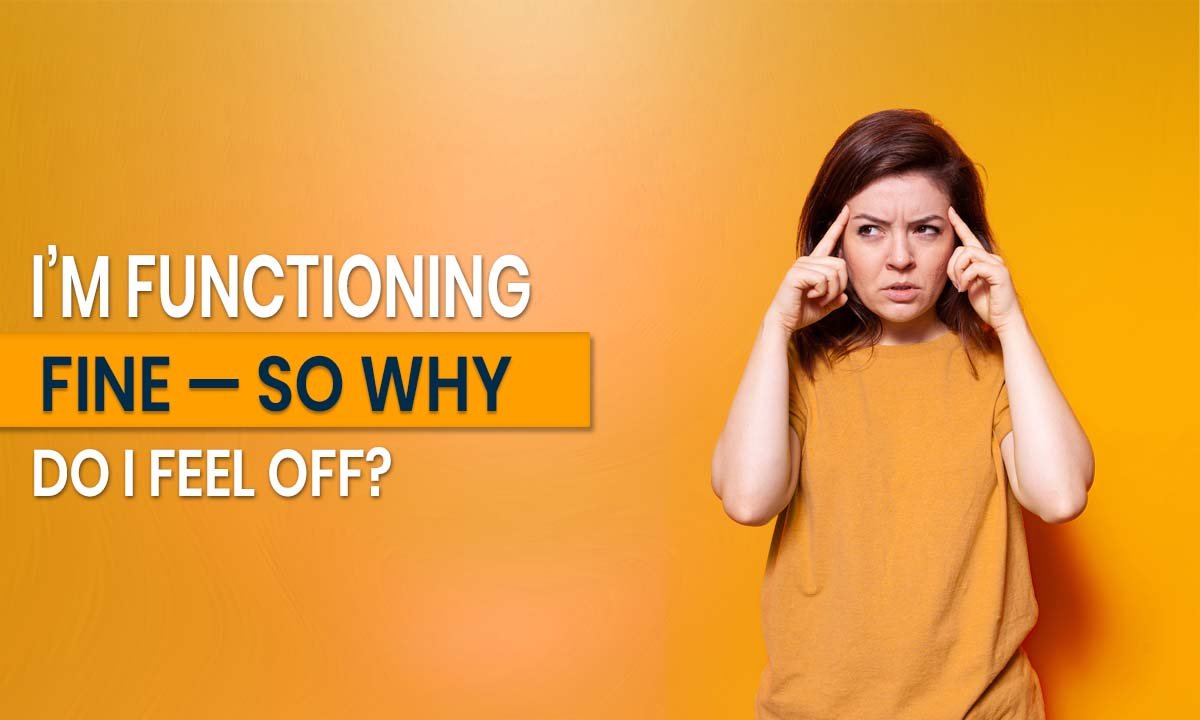

No apparent issues. Work is fine. Relationships are stable. No dramatic incident has occurred, and yet it seems something is amiss. A quiet heaviness. Lack of motivation. An impression that you are merely going through the motions. And why do I feel bad when nothing is wrong? You might well ask yourself. This is a more prevalent emotional condition than people typically think, particularly in high-functioning people who seem to be fine on the surface but are not connected at heart.
We see many people in Athena Luxus who do not conform to the common image of mental health challenges but still find themselves trapped, unfeeling, or dissatisfied. Unpacking what could be happening is worthwhile.
Why Do I Feel Bad When Nothing Is Wrong?
This emotion is confusing, as we are accustomed to regarding emotional distress as an appearance of visible issues. However, mental health does not necessarily make sense.
The following are some of the reasons why:
1. Suppression of Emotions in the Long Run.
When you have been busy working and keeping your head focused on what needs to be done and not on how you feel, then you might have trained your mind to shut down the emotions. In the long run, that can produce a numbing effect or emptiness.
2. Unconscious Stress.
You may not even have the feeling that something is wrong, but your body may be under stress- work pressure, expectations, and constant productivity. This is a low-grade stress that may result in emotional exhaustion.
3. Absence of Significance or Satisfaction.
Stability can be achieved without contentment. Living every day without a purpose or connection with emotions can frequently result in an unspoken discontent.
4. Burnout Without Warning
Burnout does not necessarily manifest itself in the form of exhaustion. In some cases, it manifests itself in withdrawal, demotivation, or apathy.
5. Disconnection From Self
The life of the modern world tends to keep us externally oriented on screens, deadlines, and expectations. This may form a slight disengagement from your own emotional world.
What Is Languishing?
Psychologists use the term languishing to describe this exact state—when you’re not in crisis, but you’re not thriving either. It is the halfway point between being mentally well and mentally ill. You might feel:
- Demotivated with no obvious explanation.
- Unemotional or numb.
- Not so fond of what you used to love.
- Shadows in the mind or mentally distracted.
- It is as though you are merely living and not existing.
Signs of Languishing vs Depression
It is necessary to make a difference between languishing and clinical depression. Although they may be similar, they are not the same.
Languishing:
- Mild persistent low mood.
- Poor enthusiasm or interest.
- Living in the world, yet without happiness.
- No intense hopelessness or suicidal thoughts.
Depression:
- Unremitting sadness or emptiness.
- Loss of interest in virtually everything.
- Sleep disturbances, fatigue, changes in appetite.
- Sense of worthlessness or guilt.
- Problem with normal functioning.
The most important distinction is intensity and impact. Depression is more disruptive and severe, whereas languishing is mild yet discomforting. With that said, languishing may turn into depression when unaddressed.
Why High-Functioning People Feel This More
Most of those who are in need of assistance in the best luxury rehab center in Delhi or the luxury mental hospital in Delhi are not obviously in distress. They are often:
- High achievers
- Managers with several tasks.
- People who have learnt to soldier on.
- Individuals who do not take time to check in on themselves.
Since they are operating well on the outside, their inner conflicts usually go unrecognized- even to themselves.
The Hidden Cost of “Being Fine”
When you do not pay attention to the slightest emotional discomfort, it does not go away. It builds quietly. In the long run, this may result in:
- Emotional burnout
- Increased anxiety
- Lack of motivation all of a sudden.
- Difficulty experiencing joy
- A feeling of emptiness that is more difficult to describe.
It is due to the fact that early awareness is important. You do not even have to break down to put your mental health first.
What Can You Do About It?
It is not a matter of fixing yourself but returning to yourself.
1. Acknowledge the Feeling- Quit disregarding it simply because nothing is wrong. Even when an apparent cause does not exist, your feelings are justified.
2. Find Meaning in Your Life Again- Little changes, such as doing something creative, social, or reflective, can be used to break the monotony.
3. Reduce Constant Stimulation- The endless scrolling and multi-tasking may become a duller of your emotional senses. Provide instances of silence.
4. Evaluate Your Stress- Although you may not be stressed, your body may be. Monitor sleep, energy, and mental fatigue.
5. Seek Professional Insight- Talking to a mental health professional can sometimes make you realize what you are not able to express.
Athena Luxus is a designed care aimed at those who might not seem to be in crisis but still require structured, compassionate care. An individualised setting may assist in revealing more of your emotional patterns and getting you back on track.
When Should You Be Concerned?
If your feelings:
- Wait weeks and weeks.
- Begin to influence your work or relationships.
- Become helpless or emotionally anesthetized.
- Feel out of place in life.
…it may be time to seek structured support from a luxury mental health hospital in Delhi or consult a mental health professional. There is no weakness in early intervention; it is merely being aware.
Final Thoughts
Emotional struggles are not necessarily loud. Others are silent and delicate and simple to overlook - until they are.
Being out of place without any evident reason does not make your experience any less real. Your mental condition is worth consideration, whether it is languishing, burnout, or emotional disconnection. You do not require a crisis to put your mental health into consideration. Contact +91 97189 21212 Athena Luxus, a premier luxury rehab center in Delhi