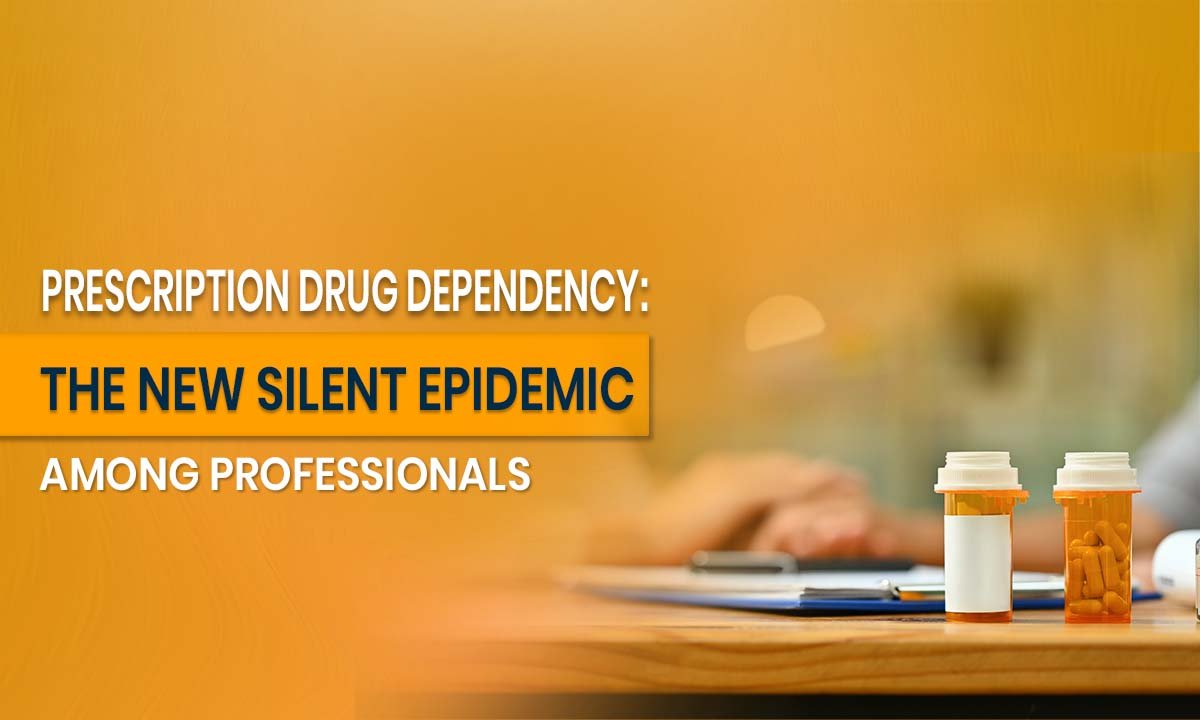
Prescription drug dependency, often described as a silent epidemic, has become a hidden crisis among professionals. This issue spans across various sectors, from healthcare workers and lawyers to business executives, who often turn to prescription drugs for stress relief, productivity, or managing physical pain. However, this seemingly harmless use of prescribed medications can quickly evolve into addiction, causing serious health risks and negatively impacting their personal and professional lives.
In this post, we’ll take a deep dive into the growing problem of prescription drug dependency, focusing on how it’s affecting professionals, its underlying causes, and how treatment options like those offered at luxury rehab centers are making a difference.
Understanding Prescription Drug Dependency
Prescription drug dependency refers to the misuse or addiction to medications that are prescribed by healthcare providers. These medications, often intended to manage pain, anxiety, or sleep disorders, can lead to dependency when used outside of medical guidelines or for purposes other than what they were prescribed for.
The most common types of drugs that lead to dependency include:
- Opioids (e.g., oxycodone, morphine, hydrocodone)
- Benzodiazepines (e.g., Xanax, Valium)
- Stimulants (e.g., Adderall, Ritalin)
While these medications are highly effective when used properly, their potential for abuse is significant. The human brain is wired to adapt to these substances, leading to increased tolerance, physical dependence, and, in many cases, addiction.
The Rise of Prescription Drug Abuse Among Professionals
The professional environment is often stressful and high-pressure, which can contribute to substance misuse. Many professionals turn to prescription medications as a way to cope with the demands of their jobs. For instance:
- Healthcare workers, who deal with constant stress, often use opioids or benzodiazepines to manage their physical and emotional pain.
- Lawyers and executives may use stimulants to maintain high levels of focus and energy to meet their demanding schedules.
- Teachers or first responders, who face regular trauma, may resort to prescription drugs as a way of dealing with anxiety and stress.
However, the overuse or inappropriate use of these medications can lead to addiction, which significantly affects their ability to function in their professional roles. Over time, this can lead to decreased productivity, absenteeism, strained relationships with colleagues, and poor physical health.
The Silent Epidemic: Why It's Hard to Detect Prescription Drug Dependency
Prescription drug dependency often goes undetected for extended periods. Unlike illicit drug abuse, there’s typically no "street" stigma attached to the use of prescription medications. These drugs are prescribed by doctors, making them seem safe—even though they carry the risk of addiction.
Some reasons why prescription drug dependency remains hidden include:
- Normalization of Prescription Medications: Many professionals view prescribed drugs as a tool for maintaining their productivity or managing their mental health, leading them to believe they are safe.
- High-Functioning Individuals: Professionals who are highly successful and “high-functioning” can mask the signs of addiction for a long time, especially in careers that require mental sharpness and social interaction.
- Stigma of Addiction: There is often a stigma around addiction, especially among professionals. Many people avoid seeking help due to fear of damaging their careers or personal reputations.
- Chronic Stress: Professionals under constant stress, such as doctors or business leaders, are often under immense pressure to perform. This constant strain can lead to an increased reliance on prescription medication as a coping mechanism.
The Consequences of Prescription Drug Dependency
The effects of prescription drug dependency can be severe and far-reaching. Beyond the physical toll of the drugs themselves, professionals struggling with addiction may experience:
- Mental Health Issues: Anxiety, depression, and cognitive impairments are common side effects of prescription drug abuse.
- Declining Performance: Over time, dependence on prescription drugs leads to reduced focus, concentration, and decision-making ability, directly impacting job performance.
- Relationship Strain: Addiction often causes relationship problems, whether in personal or professional life. Trust issues, missed appointments, or emotional withdrawal can all result from dependency.
- Physical Health Risks: Long-term use of prescription medications can lead to liver damage, kidney failure, and heart issues. Opioids, for example, carry a high risk of overdose, while benzodiazepines can lead to memory loss and other cognitive impairments.
Treatment for Prescription Drug Dependency: Luxury Rehab Centre
Overcoming prescription drug dependency requires more than just willpower—it requires proper treatment. Luxury rehab centre like Athena Luxus provide specialized care tailored to the needs of professionals who may feel stigmatized or overwhelmed by their addiction.
Luxury rehab centers offer a discreet and supportive environment, with services including:
- Individualized Treatment Plans: Rehab centers recognize that each person’s journey with addiction is unique. Treatment plans are customized based on the professional's personal needs, whether it’s detox, therapy, or counseling.
- Comprehensive Detoxification Programs: Detoxification is a crucial step for individuals seeking to overcome drug dependency. These centers ensure that the detox process is done safely and comfortably under medical supervision.
- Therapy and Counseling: Both individual and group therapies are used to address the psychological factors that contribute to addiction. Cognitive-behavioral therapy (CBT), family therapy, and other therapeutic approaches help individuals understand and manage their addiction triggers.
- Holistic Approaches: Many luxury rehabs integrate holistic methods, such as yoga, mindfulness, meditation, and physical fitness programs, which are proven to reduce stress and improve overall well-being.
- Aftercare Programs: Ongoing support is critical for maintaining long-term recovery. Aftercare programs help individuals reintegrate into their professional lives with proper coping mechanisms and resources for staying sober.
Conclusion
Prescription drug dependency is a silent epidemic that affects professionals across industries. If left untreated, it can have a devastating impact on both their personal and professional lives. However, recovery is possible with the right treatment plan and support.
At Athena Luxus, we offer comprehensive, discreet, and personalized treatment programs designed to help professionals break free from prescription drug dependency and regain control of their lives. Contact us today at +91 9718921212 to learn more and take the first step toward recovery.