
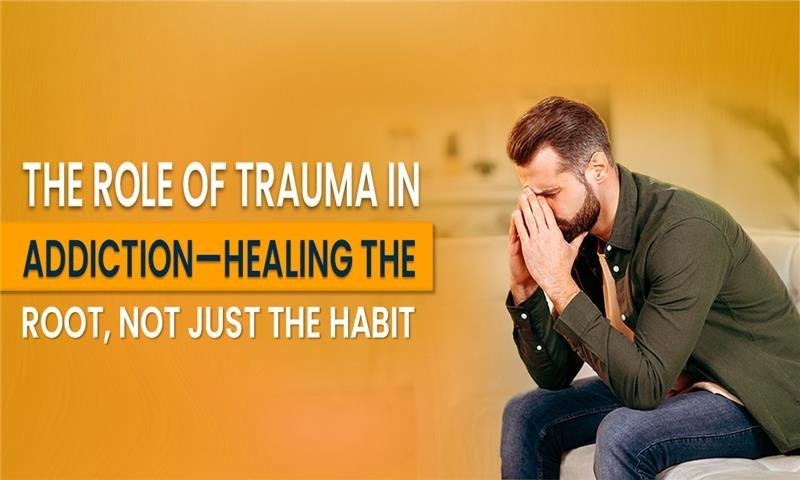
Addiction is not just about the physical dependence on substances or behaviors—it’s often deeply tied to emotional and psychological wounds. While traditional addiction treatment centers tend to focus on breaking the cycle of behavior, a growing understanding of the role trauma plays in addiction is shaping the way recovery is approached. At Athena Luxus, a luxury addiction treatment center in Delhi, we understand that healing the root cause—often rooted in past trauma—is the key to lasting recovery.
This blog will explore the connection between trauma and addiction, why treating the root cause is essential for long-term recovery, and how trauma-informed addiction recovery treatment can help break the cycle.
Understanding Trauma and Addiction
Trauma refers to any event that causes significant emotional, psychological, or physical distress. These can include childhood abuse, neglect, violence, the loss of a loved one, or any other deeply disturbing event. For many individuals struggling with addiction, unresolved trauma becomes a driving force behind their dependence on substances or destructive behaviors. The pain from trauma can create a void, and substances or addictive behaviors are used as temporary relief, filling this gap, albeit in unhealthy ways.
When trauma goes unaddressed, it can lead to persistent emotional pain, self-destructive behaviors, and a cycle of addiction that feels impossible to break. The addiction itself may not be the issue—it’s often the underlying emotional wounds that need healing.
The Link Between Trauma and Addiction
Addiction can manifest in many ways, including alcoholism, drug abuse, gambling, eating disorders, and even excessive use of technology or work. But one common thread that links these addictions is the desire to numb or avoid deep emotional pain. Here's how trauma plays a central role in the development of addiction:
- Coping Mechanism: Addiction often serves as a coping mechanism to manage the overwhelming emotions that come from trauma. Substances or behaviors provide temporary relief, helping individuals to escape their emotional pain.
- Dysregulated Emotions: Trauma can cause individuals to feel helpless, anxious, or depressed, leading them to seek external ways to regulate their emotions. Addictive substances or behaviors may serve as a temporary solution.
- Impaired Brain Functioning: Prolonged trauma can alter the brain's reward system, making it more likely to engage in addictive behaviors as a way of achieving dopamine release. Over time, this rewires the brain, making it more dependent on substances.
- Low Self-Esteem and Shame: Trauma, especially abuse, can result in feelings of worthlessness and shame. This can lead to self-medication with substances to escape these negative emotions.
Why Healing Trauma is Key to Addiction Recovery
Addiction recovery cannot be fully effective if trauma is not addressed. Here’s why:
- Root Cause Focus: Focusing on just the addiction itself—without addressing the trauma—can lead to relapse. Until the underlying emotional pain is healed, the need to escape or numb that pain will persist, triggering the cycle of addiction.
- Long-Term Healing: Treating trauma provides long-term relief, breaking the addiction cycle. It shifts the focus from merely managing symptoms to healing the root cause.
- Psychological and Emotional Resilience: Trauma-informed therapy helps individuals build emotional resilience, giving them the tools to cope with stress and emotional pain in healthier ways, rather than turning to substances or addictive behaviors.
- Sustainable Recovery: By healing the emotional wounds of trauma, individuals can achieve a more stable and sustainable recovery. They can develop healthier coping mechanisms and learn to navigate life without relying on substances or harmful behaviors.
Trauma-Informed Addiction Recovery Treatment
Trauma-informed addiction recovery treatment is an approach that recognizes the deep connection between trauma and addiction. It provides a safe, supportive environment where individuals can address their trauma and heal holistically. This approach incorporates a variety of therapies, including:
1. Cognitive Behavioral Therapy (CBT)
CBT is commonly used in trauma-informed addiction treatment to help individuals understand the connection between their thoughts, feelings, and behaviors. It helps them challenge negative thought patterns and develop healthier coping mechanisms.
2. Eye Movement Desensitization and Reprocessing (EMDR)
EMDR is an effective therapy for trauma. It helps individuals process distressing memories and reduce the emotional charge attached to them, allowing for healthier responses to past trauma.
3. Mindfulness and Meditation
Mindfulness practices, including meditation, help individuals stay present and manage overwhelming emotions. This can be crucial for those recovering from trauma, as it encourages emotional regulation without resorting to addictive behaviors.
4. Somatic Experiencing
This body-based therapy helps individuals release stored trauma from their body. It allows them to reconnect with their bodies in a healthy way, helping release physical and emotional tension built up over time.
5. Art Therapy
Art therapy provides a creative outlet for individuals to express and process difficult emotions. It’s particularly effective for those who may have difficulty verbalizing their trauma or addiction struggles.
6. Group Therapy and Support Groups
Group therapy allows individuals to connect with others who have similar experiences. It fosters a sense of community and shared healing, which can be incredibly supportive during the recovery process.
Key Takeaways
- Addiction is often rooted in unresolved trauma. Until the trauma is addressed, recovery from addiction can be incomplete.
- Healing trauma is essential for long-term addiction recovery. It helps individuals develop healthier coping strategies and break free from destructive cycles.
- Trauma-informed addiction recovery treatment takes a holistic approach, addressing both the trauma and the addiction simultaneously for sustainable healing.
- At Athena Luxus, we specialize in luxury addiction treatment with a trauma-informed approach to help individuals heal from the inside out.
Conclusion
Addiction is a complex issue, but when it is tied to trauma, healing must go beyond just breaking habits. It requires addressing the root causes, the emotional wounds, and the psychological pain that often drive addiction in the first place. At Athena Luxus, we understand the importance of trauma-informed addiction treatment, which is why we provide a holistic, individualized approach to healing. By focusing on trauma, we can help you achieve lasting recovery and lead a healthier, more fulfilling life.