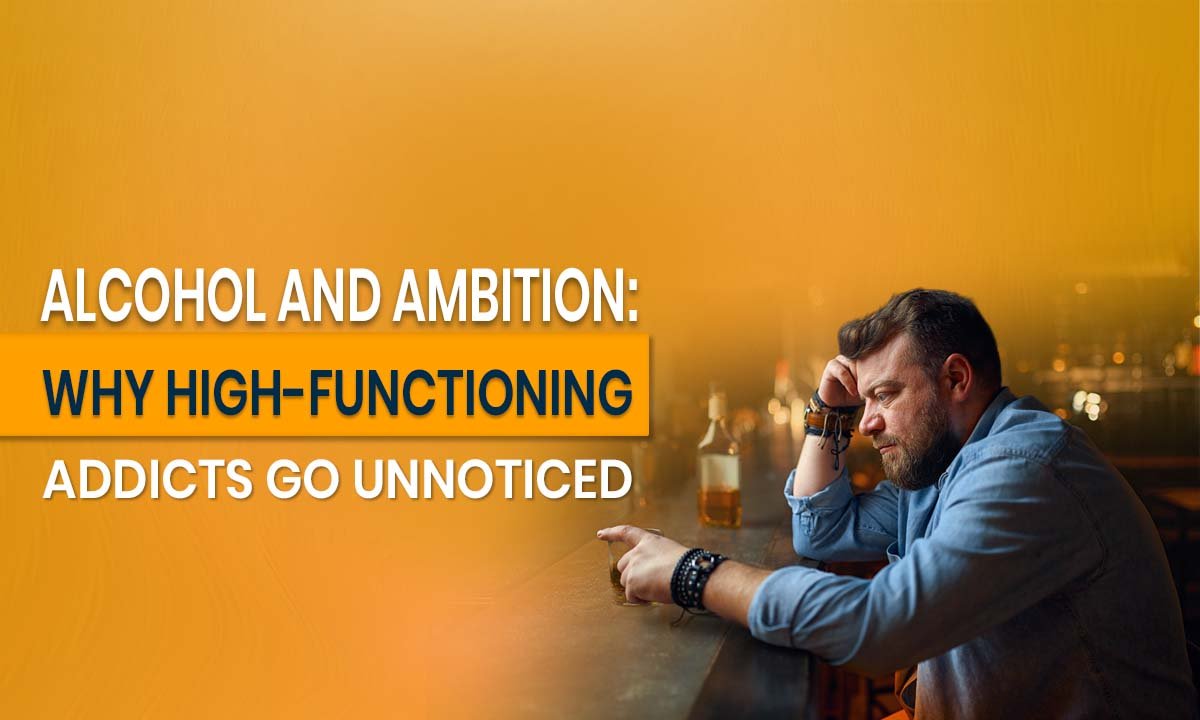
Addiction is often seen as a battle fought by those who visibly struggle—those who cannot hide the toll that alcohol or drugs have taken on their lives. However, a different, less-discussed side of addiction exists: high-functioning addiction. People who are high-functioning addicts are able to maintain careers, relationships, and a semblance of normalcy, even as they battle severe substance dependence. This often leads them to go unnoticed, even by those closest to them.
In this blog, we’ll explore why high-functioning addicts—particularly those struggling with alcohol addiction—often remain invisible, how they manage to balance their ambition with their dependency, and why this type of addiction requires specialized attention. Understanding these individuals is crucial for identifying when alcohol abuse has crossed the line into addiction, even if it appears to be under control.
What is High-Functioning Addiction?
High-functioning addiction refers to individuals who are addicted to a substance, such as alcohol, but are still able to perform well in their daily lives. These individuals often maintain a successful career, manage their personal relationships, and carry on with their responsibilities while secretly battling an addiction. This contrast between the visible success and the hidden struggle can make it difficult for others to recognize the signs of addiction.
The most common substance involved in high-functioning addiction is alcohol. Individuals may drink regularly, but the addiction isn’t immediately obvious because their daily life and work performance are seemingly unaffected. However, this façade of normalcy can hide a much deeper issue.
How High-Functioning Alcohol Addiction Works
High-functioning alcohol addicts are skilled at masking their behaviors and maintaining their responsibilities. They often develop coping mechanisms to hide their dependence, such as:
- Drinking discreetly: Many high-functioning alcoholics will consume alcohol in private or in situations where it won't raise suspicion. They may drink in the evenings after a long day at work or during social events where they are able to control how much they consume.
- Using alcohol to manage stress: Alcohol is often used as a coping mechanism for stress, anxiety, or pressure. High-functioning addicts may not recognize that they are using alcohol as a crutch, instead perceiving it as a way to manage their emotions.
- Setting boundaries with drinking: High-functioning alcoholics may limit their drinking to a certain number of drinks or specific times of day, believing this control means they don't have a problem. However, the reality is that their relationship with alcohol is still unhealthy and unsustainable.
Despite their apparent success, this kind of addiction can still have long-term, detrimental effects on mental and physical health. However, because the addiction is hidden beneath the surface of professional success and social engagement, it often goes unnoticed for years.
Why High-Functioning Addicts Go Unnoticed
The primary reason high-functioning addicts go unnoticed is because they are able to “keep it together” in their public and professional lives. Here are a few factors that contribute to this invisibility:
1. Success Masks the Problem
One of the most insidious aspects of high-functioning addiction is that success often masks the signs of alcohol dependency. High-functioning alcoholics are typically ambitious, goal-oriented, and driven. Their career success and social status may cause people to assume that they are managing their lives well, making it difficult for others to see the toll addiction is taking behind closed doors.
- Professional Performance: They may excel at work, meet deadlines, and appear reliable. This outward success leads others to overlook any signs of alcohol abuse.
- Social Engagement: High-functioning addicts can maintain relationships and social appearances, often attending events and holding leadership roles in their communities.
2. Denial and Self-Deception
Another key factor is that high-functioning addicts often deny the extent of their problem. They convince themselves that their drinking habits are not problematic because they are still performing well in other areas of their lives. This self-deception can make it difficult for them to recognize that they are struggling with addiction.
- Rationalization: They might justify drinking as a way to relax or unwind, making it seem more acceptable.
Ambition as a Shield: Their drive for success is often so strong that it overrides their recognition of alcohol’s impact on their lives.
3. Stigma and Shame
Many high-functioning addicts also experience shame or embarrassment about their addiction, which makes them reluctant to seek help. They fear being judged or labeled as “weak” or “irresponsible,” even though their addiction is a complex medical condition that requires treatment. This internalized stigma keeps them from reaching out for support and causes them to keep their struggles hidden from others.
4. Chronic Stress and Pressure
High-functioning alcoholics often live under constant stress, juggling the demands of their careers, personal lives, and addiction. This can lead them to use alcohol as a means of coping. The more stressed they become, the more they rely on alcohol, creating a dangerous cycle of dependency.
- Work and Social Pressure: Their desire to succeed and maintain their image may make them feel like they cannot afford to show weakness or vulnerability.
The Impact of High-Functioning Addiction
Even though high-functioning addicts manage to maintain a successful outward appearance, the impact of their addiction can be far-reaching. Over time, alcohol abuse leads to serious consequences, even if it’s not immediately noticeable to others.
1. Physical Health Issues
Prolonged alcohol consumption can result in numerous health problems, including liver damage, high blood pressure, heart disease, and neurological damage. While a high-functioning addict may not show obvious signs of physical decline, the long-term effects of alcohol abuse can silently harm the body.
2. Mental Health Struggles
Alcohol addiction often co-occurs with mental health issues such as anxiety, depression, and stress. High-functioning addicts may appear outwardly successful but may struggle with their emotional and mental well-being. They often use alcohol to numb emotional pain, which further exacerbates their mental health issues over time.
3. Relationship Strain
Although high-functioning alcoholics may maintain relationships, their addiction can cause tension in their personal life. Partners, friends, and family may begin to notice subtle signs of addiction, such as mood swings, irritability, or secretive behavior. Over time, this can strain relationships, even if the individual is still able to perform well in other areas of life.
Treatment for High-Functioning Alcohol Addiction
Recognizing high-functioning addiction is often the first step toward recovery. While these individuals may seem to have their lives together, they still require the same kind of treatment as anyone else struggling with alcohol abuse.
1. Alcohol Abuse Treatment
Treatment for high-functioning alcohol addiction is a personalized process. It often involves a combination of therapy, lifestyle changes, and support groups. Some effective treatments include:
- Cognitive Behavioral Therapy (CBT): CBT helps individuals identify and change the negative thought patterns that lead to alcohol abuse.
- Detoxification: Medical detox is often the first step for individuals who need to safely manage alcohol withdrawal symptoms.
- Support Groups: Support groups like Alcoholics Anonymous (AA) provide a sense of community and accountability, helping individuals connect with others facing similar struggles.
2. Luxury De-addiction Treatment Centre
For those looking for an upscale, private environment to address their addiction, luxury de-addiction treatment centre provide a comprehensive approach to recovery. These centers offer personalized care in a comfortable, discreet setting, combining therapy, wellness programs, and holistic treatments to support long-term recovery.
Conclusion
If you or someone you know is struggling with high-functioning alcoholism, it’s time to seek help. Athena Luxus offers specialized treatment for individuals battling addiction, providing a comprehensive approach to recovery in a luxurious, supportive environment. Don’t wait until the damage is irreversible—take the first step toward a healthier, more fulfilling life today.
Contact Athena Luxus now to learn more about our alcohol abuse treatment programs and begin your recovery journey.