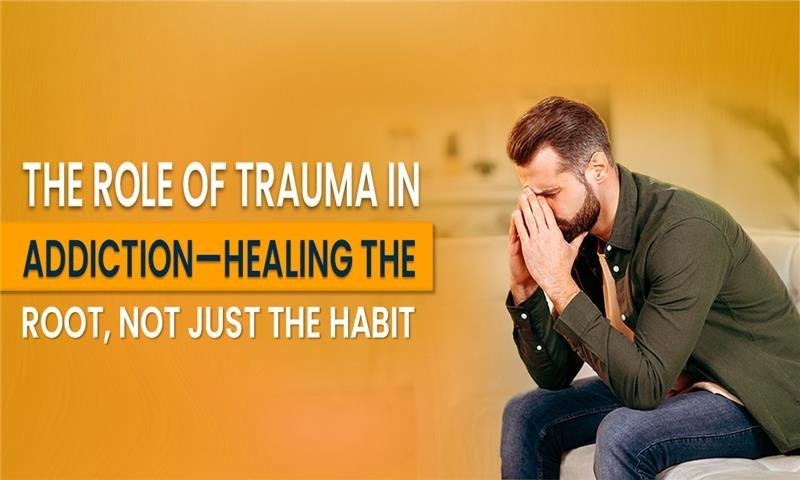

Addiction of any sort can create difficulties for an individual as well as family members. Life after quitting alcohol or any other substance can enable an individual to create space for emotional sobriety. As an individual decides to quit substance use, there might be a lot of questions regarding the further process. Creating emotional wellness after addiction can become a lot easier with the right support besides you!
Understanding Emotional Sobriety
Emotional sobriety can be described as a state of being when an individual is feeling emotionally balanced, able to identify and manage one’s emotions effectively. The emotional dependence on an addictive substance is no longer controlling an individual's behavior.
Emotional Health After Rehab
As one has recovered from mental health concerns, the emotional self can expect the following changes:
1. Enhanced emotional awareness
2. Better coping skills
3. Healthier relationships
4. Feeling of hope and gratitude
5. Higher self-esteem
6. Mental clarity and focus
The emotional health after rehab can be further maintained with the help of regular follow-up sessions and support groups.
Life After Quitting Alcohol
Once you find the right rehab partner to support you, life after quitting alcohol can be managed and become better through structured support and guidance. Some of the experiences of life after quitting alcohol can include:
1. Withdrawal symptoms
2. Feeling confused
3. Reaching out for support
4. Gradually becoming more aware
5. Exploring healthier coping tools
Emotional Wellness After Addiction
Emotional wellness after addiction can be identified in the following ways:
1. Use of healthy coping skills
2. Improved emotion regulation
3. Positive outlook towards life
4. Healthier interpersonal relations
How Mental Clarity Shows Up in Sobriety
1. Improved focus and concentration
2. Better decision-making skills
3. Higher problem-solving skills
4. Ability to learn new things
Mental clarity may be observed in the above-mentioned ways and many more as an individual works on building emotional sobriety.
The Emotional Sobriety Recovery Journey
The emotional sobriety recovery journey may look different for each individual. While some may enjoy the newfound freedom from addiction, some might struggle to find healthy coping strategies. Throughout this time some techniques that can be helpful include:
1. Deep breathing
2. Grounding techniques
3. Healthy support system
4. Journaling regularly
5. Yoga and meditation
Building Long-Term Emotional Strength
Emotional health after rehab may require consistent efforts and practice for maintenance and continuous improvement. Long-term emotional strength might benefit from a long-term commitment towards wellness. Some of the techniques that one can explore to maintain emotional health after rehab are mentioned below.
Practice emotional awareness
1. Build a strong emotional vocabulary
2. Notice thoughts and emotions
3. Become aware of bodily response
4. Observe patterns and triggers
Build emotional resilience through steady routines
1. Engage in self-care activities
2. Use healthy coping strategies
3. Reduce mindless scrolling
4. Become aware of the content consumed
Strengthen personal boundaries
1. Learning to say ‘no’ without guilt
2. Become aware of personal boundaries
3. Expressing oneself assertively
4. Prioritizing self-care to avoid burnout
Use mental clarity to solve emotional issues
1. Writing down one’s thoughts
2. Using pros and cons list
3. Taking time with important decisions
4. Identifying facts versus stories
Common Emotional Challenges and How to Handle Them
Life after quitting alcohol or any addictive substance may bring some emotional challenges, such as:
1. Irritable mood
2. Mood swings
3. Aggressive behavior
4. Feeling tired
The above-mentioned emotional challenges and many similar other concerns can be managed through:
2. Psychotherapy
3. Support group sessions
4. Healthy support system
5. Building resilience
Signs You Are Becoming Emotionally Sober
Emotional sobriety recovery may look like:
1. Making informed choices
2. Experiencing mental clarity
3. Healthy daily routine and lifestyle
4. Better interpersonal relationships
5. Becoming emotionally aware
When to Reach Out for Extra Support
If you sense some hiccups in your emotional sobriety recovery journey you can reach out for support. Some of the times when support can be useful include:
1. Extreme overthinking
2. Daily routine disrupted
3. Using unhelpful coping skills
4. Feeling irritable
5. Extreme mood swings
Conclusion
Life after quitting alcohol can become much easier with the right team of mental health professionals supporting your recovery journey. If you are someone who is looking for expert guidance then Athena Luxus welcomes you with a lot of hope and warmth!
Our team uses evidence based techniques to help you gain mental clarity and emotional sobriety. We offer individual consultations with psychiatrists, clinical psychologists and counselling psychologists.