Addiction isn’t always about alcohol, drugs, or substances. In many cases, it develops around everyday behaviors that slowly begin to take control of a person’s thoughts, emotions, and actions.
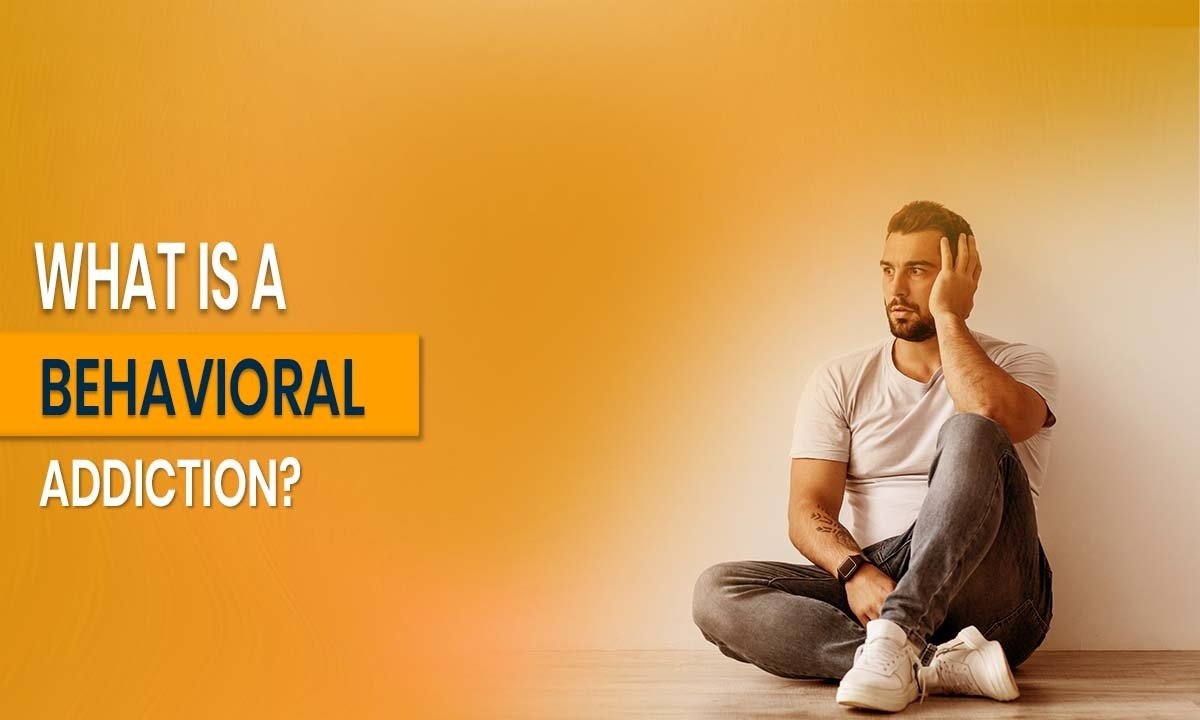
Behavioral addiction refers to compulsive engagement in certain activities despite harmful consequences. Over time, these behaviors interfere with mental health, relationships, work performance, and overall quality of life.
Common examples include gambling addiction, internet addiction, gaming addiction, shopping addiction, and compulsive social media use. While these behaviors may seem harmless at first, they can become just as disruptive and damaging as substance addiction if left untreated.
The good news? Behavioral addiction is treatable, especially when identified early and addressed with professional support.
Understanding Behavioral Addiction
Behavioral addiction is defined by a loss of control over a specific behavior, even when the individual is aware of its negative impact. Unlike substance addiction, the dependency here is psychological rather than chemical—but the brain’s reward system is affected in similar ways.
As the behavior becomes repetitive and compulsive, individuals may experience:
- An intense urge to engage in the behavior
- Temporary relief or pleasure followed by guilt or shame
- Difficulty stopping, even when motivated to do so
Over time, this cycle can lead to emotional distress, isolation, anxiety, and depression.
Common Types of Behavioral Addiction
Behavioral addiction can take many forms, including:
- Gambling addiction – Persistent betting despite financial or emotional loss
- Internet and social media addiction – Excessive online activity affecting daily functioning
- Gaming addiction – Loss of time, sleep, and responsibilities due to gaming
- Shopping addiction – Compulsive spending to regulate emotions
- Work or productivity addiction – Inability to disengage, leading to burnout
Each type has unique triggers, but the underlying patterns are often similar.
Signs of Behavioral Addiction
Behavioral addiction can be difficult to recognize, especially in its early stages. Some of the most common warning signs include:
- Loss of control – Inability to limit time or frequency of the behavior
- Escalation – Needing more intensity or time to feel satisfied
- Neglect of responsibilities – Work, health, or relationships suffer
- Emotional changes – Anxiety, irritability, or low mood when unable to engage
- Secrecy or denial – Hiding behavior or minimizing its impact
If these signs persist, professional evaluation is strongly recommended.
Symptoms of Behavioral Addiction
Beyond outward behaviors, addiction also affects emotional and psychological well-being. Common symptoms include:
- Persistent obsessive thoughts about the activity
- Restlessness or distress when unable to engage
- Withdrawal from family and social connections
- Failed attempts to quit or cut back
- Increased guilt, shame, or self-criticism
Left untreated, these symptoms can significantly affect mental health, productivity, and self-esteem.
Treatment for Behavioral Addiction
Recovery from behavioral addiction is absolutely possible with the right treatment approach. Effective care focuses on understanding triggers, changing thought patterns, and building healthier coping strategies.
Evidence-Based Treatment Options Include:
Cognitive Behavioral Therapy (CBT)
Helps identify unhelpful thoughts and behaviors, replacing them with healthier patterns.
Motivational Therapy
Supports individuals in strengthening their motivation and commitment to change.
Mindfulness-Based Techniques
Improve emotional regulation and reduce impulsive urges.
Support Groups
Provide shared understanding, accountability, and encouragement.
Rehabilitation Programs
For severe or long-standing addiction, structured residential or intensive outpatient care can be life-changing.
At Athena Luxus, addiction treatment is personalized, confidential, and integrated with mental health support to ensure long-term recovery.
Overcoming Behavioral Addiction: A Practical Path Forward
Recovery is a journey, not a single step. Here’s what the process often involves:
- Acknowledging the problem without self-judgment
- Seeking professional help early
- Replacing compulsive behaviors with healthier routines
- Addressing emotional triggers like stress, trauma, or loneliness
- Maintaining consistent follow-up care
With the right guidance, individuals can regain control and rebuild balance in their lives.
Patient Experiences
Ravi Sharma
“I struggled with gaming addiction for years. Athena Luxus helped me understand the emotional triggers behind it and regain control of my time and focus.”
Priya Verma
“My internet addiction was quietly damaging my relationships. The therapy at Athena Luxus helped me reset and reconnect with real life.”
Aman Yadav
“The support I received for gambling addiction changed everything. The treatment was structured, compassionate, and effective.”
Sneha Gupta
“I reached out for compulsive shopping behavior. Athena Luxus helped me heal emotionally, not just stop the behavior.”
Conclusion: Healing Is Possible
Behavioral addiction is real, serious, and often misunderstood—but it is also highly treatable. With the right therapeutic support, individuals can break free from compulsive patterns and restore mental, emotional, and social well-being.
At Athena Luxus, we offer confidential, evidence-based treatment for behavioral addiction in a supportive and private environment. Whether you’re facing gambling, internet, gaming, or shopping addiction, help is available—and recovery is within reach.
If you recognize these signs in yourself or someone you love, don’t wait.
Reach out today and take the first step toward balance and recovery.