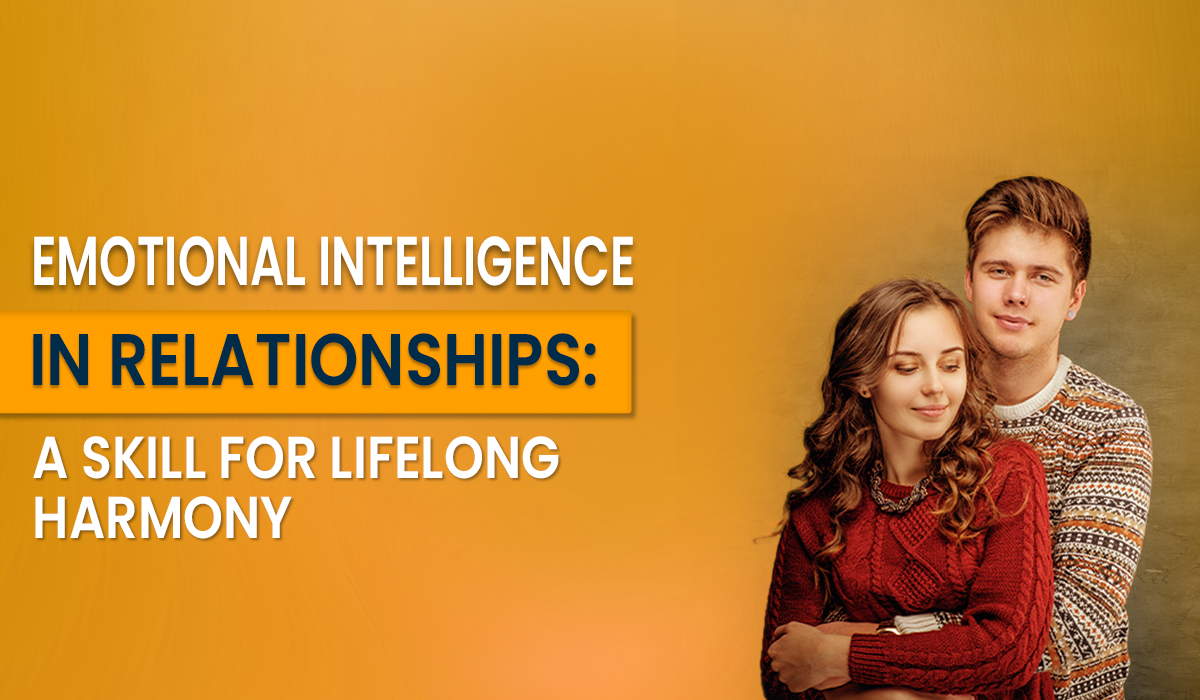
Good relationships are not built by avoiding conflict, but by understanding emotions. No couple is free of arguing, disagreeing, and not understanding each other. How emotions are recognised, expressed, and handled actually determines whether a relationship's long-term health is positive or negative. This is where emotional intelligence in relationships comes in.
Emotional intelligence helps partners move beyond a reactive relationship to a conscious sense of relationship. It enables individuals to respond rather than react, listen rather than defend, and repair rather than withdraw. This ability of emotion is what, over time, binds relationships together in times of stress, change, and growth.
What is the Importance of Emotional Intelligence in Relationships?
No matter how much logic affects communication, emotions will. A low level of emotional awareness leads to power struggles, blame, or a sense of nothingness after only a short period of time. Even challenging conversations will be safe and constructive when emotional intelligence is in place.
That is why emotional intelligence plays a significant role in relationships- it helps to be empathetic, control emotions, and respect one another. Emotionally intelligent partners can understand each other's needs, handle conflicts amicably, and grow closer emotionally even during difficult times.
Instead of going on to ask, Who is wrong, the partners who are emotionally intelligent would enquire, What is it about this feeling we should know?
What Is Relationship Management in Emotional Intelligence?
One element of emotional intelligence is relationship management. It refers to how people handle emotional contact with others, particularly in close, personal relationships.
Relationship management in relation to emotional intelligence in romantic relationships involves:
- Being frank, not critical or accusatory.
- Dealing with conflicts without emotional turnover and aggression.
- Helping without manipulating and rejecting the other individual.
- Mending a broken relationship by holding someone responsible and understanding.
Good relationship management does not entail holding back emotions. It entails walking the fine line between emotions so that trust and bondage are fostered rather than destroyed.
Examples of Emotional Intelligence in Relationships
Emotional intelligence many times manifests itself in low-profile behaviour. Examples of emotional intelligence in relationships in real life would involve:
- Listening in the entirety without attempting to refute or planning on how to refute.
- Listening to your partner when you disagree with their perception of things.
- Being able to identify your emotional triggers and make them explicit.
- Taking time to react in situations of passion.
- Making behavioural changes and apologising.
These little but steady gestures form emotional security, the basis of intimacy and long-lasting harmony.
How to Improve Emotional Intelligence in a Relationship
Learning how to improve emotional intelligence in a relationship starts with self-awareness. Keep track of your reaction to stress. Do you retreat, defend or act on impulse?
Next, focus on communication. Don’t preach, just talk about what you have lived. Language should be used to show feelings rather than fault. Interrupting and judging during active listening are sure ways to minimize emotional misunderstandings.
It is also important to have empathy. Attempt to empathize with your partner even when their emotional condition is not similar to yours. Validation does not imply consensus, but it does acknowledge that emotions are legitimate and should be respected.
Emotional intelligence is a common ability rather than a personal liability through constant practice.
Emotional Intelligence: A Lifelong Relationship Skill.
The development of relationships changes over time, duties, and other life changes. Emotional intelligence offers the elasticity of collaboration as opposed to drifting apart. It assists couples to overcome stress, change and healing in a caring and non-conflict situation.
Emotional intelligence makes relationships a place of growth, safety, and emotional balance, rather than perfection. When cultivated purposefully, emotional intelligence turns relationships into resilience.
In Athena Luxus, the consideration of emotional well-being is done in such a way that emotional awareness leads to healthy relationships. Emotional intelligence and establishing more rewarding relationships can be supported, counseled, and effectively treated by addressing individuals and couples.