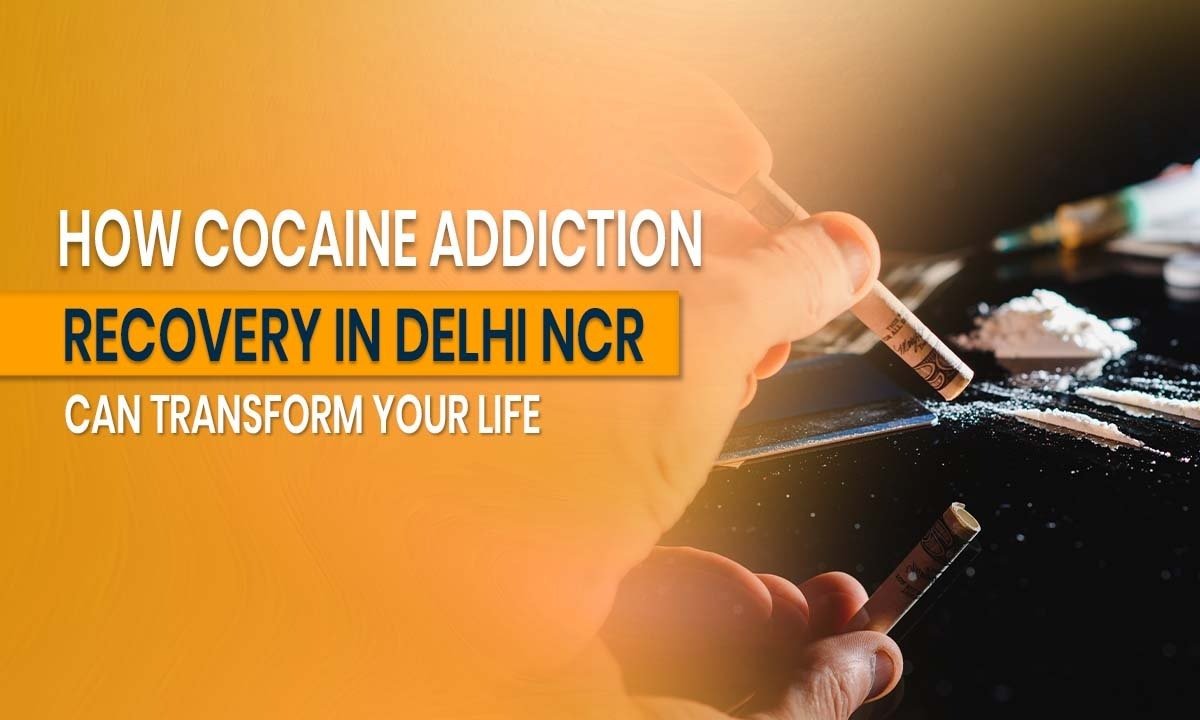

Cocaine is a powerful stimulant that can create an intense but short-lived high — followed by dangerous physical and psychological consequences. The side effects of cocaine can appear quickly, including increased heart rate, high blood pressure, anxiety, paranoia, and severe headaches. With continued use, the risks become far more serious, leading to heart disease, brain damage, respiratory failure, depression, and addiction.
Many people underestimate how rapidly cocaine can damage the body. What may start as occasional use can quickly turn into dependence, with withdrawal symptoms such as fatigue, irritability, mood swings, and intense cravings. Long-term cocaine abuse doesn’t just affect physical health — it disrupts relationships, careers, emotional stability, and overall quality of life.
Understanding both the short-term and long-term impacts of cocaine is essential for early intervention. If you or someone you care about is experiencing these symptoms, seeking professional support can prevent permanent damage. A trusted Cocaine Addiction Treatment Center in Delhi like Athena Luxus provides medically supervised detox, evidence-based therapies, and personalized rehabilitation programs designed to ensure safe recovery and long-term healing.
Recovery is possible — but early action makes all the difference.
Understanding the Short-Term Cocaine Side Effects
The allure of cocaine often stems from its immediate and intense effects. These can range from a rush of euphoria to a quick crash that leads to significant discomfort. Here’s what happens to your body when you use cocaine:
- Increased heart rate and blood pressure: Cocaine stimulates the heart and increases blood pressure, which can cause dizziness, heart palpitations, and even chest pain.
- Severe headaches: One of the most common and uncomfortable cocaine side effects is a severe, pounding headache that often follows the high.
- Cocaine side effects: sleep: Due to its stimulant nature, cocaine disrupts normal sleep patterns, leading to insomnia and sleepless nights.
- Increased anxiety and agitation: While users feel euphoric initially, many experience heightened anxiety, agitation, and paranoia shortly after using cocaine.
- Nausea and vomiting: Cocaine can lead to digestive issues like nausea and vomiting, adding to the unpleasant effects of the drug.
Solution: The best course of action is to seek help from a medical professional or rehabilitation center. The short-term side effects can often be alleviated with medical assistance and support.
The Dangers of Long-Term Cocaine Side Effects
While the short-term effects of cocaine are concerning, the long-term consequences can be far more serious. Prolonged cocaine use can lead to irreversible damage in multiple areas of your body and mind:
- Cardiovascular complications: Cocaine can cause severe damage to the heart, increasing the risk of heart attacks, strokes, and other cardiovascular diseases.
- Brain damage: Chronic cocaine use can alter the structure of the brain, leading to memory loss, impaired judgment, and cognitive dysfunction.
- Cocaine side effects on personality: Long-term cocaine users may experience drastic changes in personality, including increased irritability, mood swings, and difficulty in forming emotional connections.
- Respiratory problems: Snorting cocaine can cause damage to the nasal cavity, leading to chronic sinus infections and difficulty breathing.
- Mental health decline: Prolonged use of cocaine is linked to the onset of mental health issues, including depression, anxiety, and even psychosis.
Solution: For those struggling with long-term cocaine use, a comprehensive treatment plan is necessary. Detoxification, along with therapy and counseling, can help individuals regain their physical and mental health, reduce cravings, and work towards long-term recovery.
Cocaine Withdrawal and Its Side Effects
One of the most challenging aspects of overcoming cocaine addiction is managing the cocaine withdrawal side effects. As the body adjusts to life without the drug, users often face several painful symptoms:
- Intense cravings: One of the hardest withdrawal symptoms to manage is the overwhelming urge to use cocaine again.
- Fatigue and exhaustion: The body, deprived of its stimulant, experiences extreme fatigue and physical weakness during withdrawal.
- Cocaine side effect headache: Persistent and severe headaches often accompany withdrawal, making it difficult to focus or function normally.
- Depression and irritability: As dopamine levels plummet, individuals may experience deep depression, irritability, and emotional instability.
- Difficulty sleeping: Insomnia remains a significant issue during withdrawal, as the body struggles to regain its natural rhythm.
Solution: Professional detox programs offer a safe environment to manage these symptoms. Medical professionals can prescribe medications to reduce the severity of withdrawal symptoms and guide individuals through the recovery process.
Cocaine Abuse Side Effects: How Addiction Takes a Toll
The longer cocaine is abused, the more profound the consequences can be. Cocaine abuse side effects are not only physical but also psychological, affecting every aspect of a person’s life:
- Heart damage: Chronic cocaine abuse can result in heart arrhythmias, heart failure, and strokes due to the strain the drug puts on the cardiovascular system.
- Brain impairment: Repeated use of cocaine can lead to cognitive dysfunction, including memory loss, difficulty concentrating, and impaired decision-making.
- Mental health issues: Cocaine addiction is strongly linked to depression, anxiety, and paranoia, with many long-term users developing serious mental health disorders.
- Relationship problems: The addiction often leads to strained relationships, as individuals prioritize the drug over their loved ones and responsibilities.
Solution: Seeking help from a rehabilitation facility that offers addiction treatment can significantly improve an individual’s chances of recovery. Therapy, counseling, and support groups can help address the root causes of addiction and guide users toward a healthier, drug-free life.
How to Manage Cocaine Addiction and Its Side Effects
If you or a loved one is struggling with cocaine abuse side effects, the best thing you can do is seek professional help immediately. Recovery is a long process, but with the right treatment, it is possible to reverse some of the damage caused by cocaine side effects.
- Medical Detoxification: The first step in recovery is to rid your body of cocaine in a safe, controlled environment.
- Therapy and Counseling: Psychological support helps address the emotional and mental aspects of addiction, guiding individuals toward lasting recovery.
- Ongoing Support: Aftercare programs, such as support groups and outpatient treatment, can provide the ongoing support needed to prevent relapse and maintain sobriety.
When you or someone important to you is experiencing these struggles, our comprehensive programs are here to help. We focus on:
Alcohol Detox Treatment
Drug Addiction Treatment
Heroin Addiction Treatment
Conclusion
In conclusion, the cocaine side effects can be far-reaching, affecting both the body and the mind. While the short-term effects like headaches and insomnia are troubling, the long-term consequences, including heart damage and brain impairment, are far more dangerous.
The path to recovery requires professional intervention and a comprehensive treatment plan. If you or someone you know is struggling with cocaine withdrawal side effects, Athena Luxus is here to provide the support and guidance needed to reclaim your life and well-being.