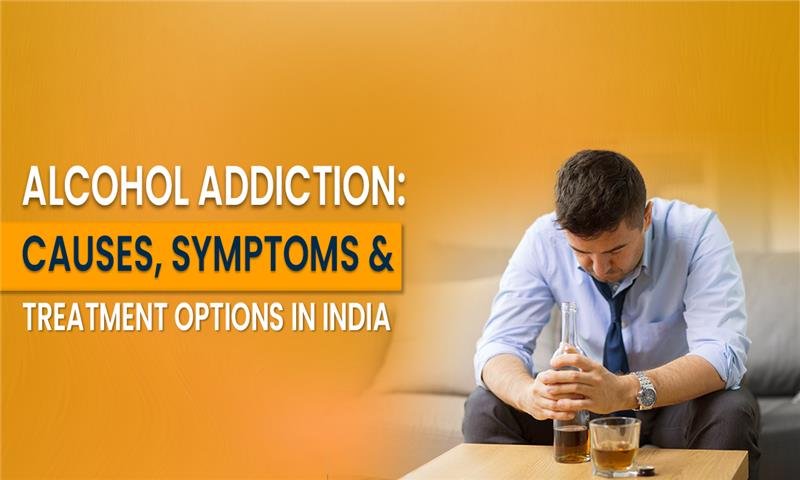
Alcohol addiction is one of the most widespread yet often misunderstood health challenges in India. It doesn’t just affect an individual’s physical health but also impacts relationships, career, and overall quality of life. The good news is that alcohol addiction is treatable—with timely intervention, professional help, and the right treatment approach.
At Athena Luxus, we believe that recovery from alcohol addiction is possible for everyone with the right guidance and support.
What Is Alcohol Addiction?
Understanding Alcohol Addiction as a Medical Condition
Alcohol addiction, also known as alcohol use disorder (AUD), is a chronic disease characterized by an inability to control or stop drinking despite negative consequences. It affects brain chemistry, making alcohol consumption feel like a necessity rather than a choice. Like other chronic diseases such as diabetes or hypertension, alcohol addiction requires long-term management and medical support.
Difference Between Casual Drinking and Alcohol Dependence
Casual drinking involves moderate, occasional alcohol consumption without dependency. In contrast, alcohol dependence develops when the body and mind become reliant on alcohol to function normally. People with alcohol dependence often experience cravings, withdrawal symptoms, and loss of control over drinking habits.
How Common Is Alcohol Addiction in India?
Rising Alcohol Addiction Trends in Urban and Rural India
Recent studies indicate that alcohol consumption in India has significantly increased, especially among young adults. Urban areas show higher rates due to easy availability and social acceptance, while rural regions face growing problems linked to unregulated liquor and lack of awareness.
Social, Cultural, and Work-Stress Factors Contributing to Addiction
Cultural acceptance of drinking, work-related stress, peer pressure, and emotional struggles contribute heavily to rising alcohol addiction rates. Economic factors and lifestyle changes have also led to increased alcohol use across all age groups.
What Causes Alcohol Addiction?
Psychological Causes (Stress, Trauma, Depression, Anxiety)
Emotional distress, unresolved trauma, and mental health conditions like depression or anxiety often drive individuals to drink as a coping mechanism. Over time, this reliance can turn into addiction.
Biological and Genetic Factors
Genetics play a major role in alcohol addiction. People with a family history of alcoholism are at a higher risk due to inherited biological vulnerabilities that affect brain chemistry and impulse control.
Social and Environmental Triggers
Social influence, exposure to drinking environments, and lack of family support can make alcohol consumption a habitual behavior that eventually leads to addiction.
Signs and Symptoms of Alcohol Addiction
Physical Symptoms of Alcohol Addiction
- Frequent hangovers
- Tremors or shaking hands
- Poor coordination and slurred speech
- Changes in appetite or sleep patterns
- Liver or digestive issues
Psychological and Emotional Symptoms
- Intense cravings for alcohol
- Anxiety, irritability, or depression
- Memory lapses or blackouts
- Loss of motivation or focus
Behavioral and Social Warning Signs
- Drinking alone or secretly
- Neglecting work, studies, or family responsibilities
- Lying about drinking habits
- Financial or legal problems due to alcohol use
How to Stop Alcohol Addiction Safely
Why Quitting Alcohol Suddenly Can Be Dangerous
Abruptly stopping alcohol can cause severe withdrawal symptoms such as seizures, hallucinations, and delirium tremens. Medical supervision is essential during the detox phase to ensure safety.
When Self-Control Is Not Enough
For many, willpower alone isn’t enough to overcome alcohol addiction because of the physical and psychological dependence it creates. Professional intervention is necessary to break this cycle.
Importance of Medical Supervision in Alcohol De-Addiction
At Athena Luxus, alcohol de-addiction begins with supervised detoxification, ensuring safe withdrawal and preparing individuals for long-term recovery.
Alcohol De-Addiction Treatment Options in India
Alcohol Detoxification and Withdrawal Management
Detox is the first step, focusing on removing alcohol from the body safely while managing withdrawal symptoms through medication and monitoring.
Inpatient vs Outpatient Alcohol Addiction Treatment
Inpatient programs provide round-the-clock care in a controlled environment, ideal for severe cases. Outpatient treatment allows flexibility for those with mild to moderate addiction.
Therapy-Based Treatment (CBT, Motivation Therapy, Relapse Prevention)
Cognitive Behavioral Therapy (CBT), motivational interviewing, and relapse prevention techniques help individuals understand triggers, build coping skills, and maintain long-term sobriety.
Medicines for Alcohol Addiction
How Medicines Help Reduce Cravings and Relapse
Medications help normalize brain chemistry, reduce cravings, and prevent relapse. They work best when combined with therapy and counseling.
Commonly Prescribed Medicines for Alcohol Addiction in India
- Naltrexone – reduces the euphoric effects of alcohol
- Acamprosate – helps restore brain balance post-withdrawal
- Disulfiram – creates an adverse reaction when alcohol is consumed
Why Medication Must Always Be Combined with Therapy
Medication alone isn’t enough. Psychological therapy and lifestyle changes play a vital role in achieving lasting recovery.
Role of Alcohol De-Addiction Centres in Recovery
What Happens Inside an Alcohol De-Addiction Centre
Centres like Athena Luxus offer structured programs that include detox, counseling, group therapy, and holistic wellness activities.
Benefits of Choosing a Professional Treatment Centre
Professional centres ensure medical safety, personalized therapy, peer support, and long-term relapse prevention strategies.
Long-Term Recovery Support and Follow-Ups
Recovery doesn’t end after treatment. Continuous follow-ups, therapy sessions, and community support help maintain sobriety.
Alcohol Addiction Treatment Process: Step-by-Step
Assessment and Diagnosis
A thorough medical and psychological evaluation identifies the severity of addiction and coexisting mental health issues.
Detox and Stabilization
Medical detox helps the body adjust to an alcohol-free state under supervision.
Therapy, Rehabilitation, and Lifestyle Rebuilding
Therapy sessions, skill-building, and healthy routine development prepare individuals for sustained sobriety.
How Long Does Alcohol Addiction Treatment Take?
Detox Duration
Typically lasts 7–10 days, depending on the individual’s dependency level.
Rehabilitation Timeline
Rehabilitation can last from 1 to 3 months or longer for chronic cases.
Importance of Long-Term Relapse Prevention
Ongoing therapy, aftercare programs, and family support significantly reduce the risk of relapse.
When Should You Seek Professional Help?
Warning Signs That Require Immediate Treatment
If you find it difficult to control drinking, experience withdrawal symptoms, or your relationships are suffering—seek help immediately.
Alcohol Addiction and Mental Health Risks
Alcohol addiction often coexists with anxiety, depression, and other mental health issues that need integrated treatment.
Choosing the Right Alcohol Addiction Treatment Centre in India
Factors to Consider (Medical Care, Privacy, Therapy, Success Rates)
Look for centres offering licensed medical staff, confidentiality, evidence-based therapies, and strong recovery outcomes.
Why Personalized Treatment Improves Recovery Outcomes
Personalized plans address each individual’s emotional, physical, and psychological needs—ensuring more effective and lasting recovery.
Life After Alcohol De-Addiction Treatment
Managing Triggers and Cravings
Identify triggers and develop coping strategies to handle them effectively.
Lifestyle Changes for Long-Term Sobriety
Exercise, meditation, balanced nutrition, and healthy social connections support a sober lifestyle.
Family Support and Continued Therapy
Family involvement enhances recovery by fostering understanding, emotional strength, and accountability.
Conclusion:
Alcohol addiction is not a sign of weakness—it’s a medical condition that requires understanding and treatment. With expert care, therapy, and continued support, recovery is within reach.
Athena Luxus offers comprehensive alcohol de-addiction programs in India designed to help individuals regain control, rebuild their lives, and embrace a future free from addiction.